
Tile Roofing Services in Rocklin CA
Tile roofing roof installation services matter because tile systems add significant weight and require careful planning before any material is placed. At Goldline Roofing & Renovation, we begin with the roof structure, deck condition, slope, and tile profile because those factors shape the full installation plan. We also explain how tile choice changes spacing, fastening, and handling so our customers understand the work in practical terms. When people select our tile roofing services in Rocklin CA, they often notice appearance first, but we focus on the parts that affect long-term roof function.
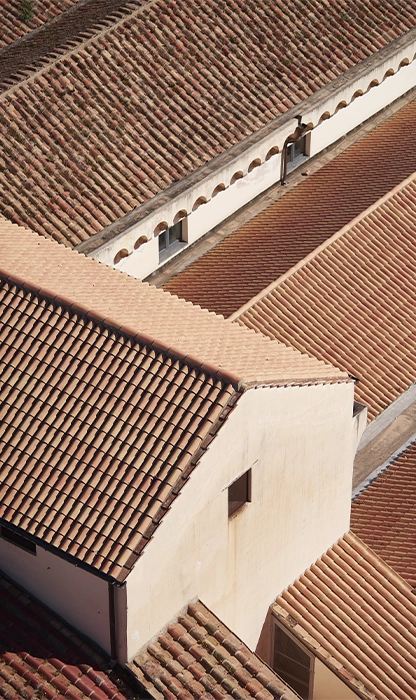
Our team reviews whether clay or concrete tiles are better suited to the framing, and we also compare Spanish profiles with flat tiles because layout and spacing are not the same. During tile roof installation in Rocklin CA, we also plan for interlocking systems differently than individual pieces.
Here are the main installation details we review before tile placement begins:
We compare clay and concrete tile weight so our roof framing review matches the selected system and helps prevent avoidable structural strain later.
We set different spacing for S-shaped and flat tiles because each profile sheds water differently and needs its own layout approach.
Our team plans fastening based on whether the system uses interlocking tiles or separate pieces, especially around ridges, edges, and exposed sections.
We handle color-through and surface-coated tiles with care because chipped edges and damaged finishes can affect appearance and replacement planning.
This is how we keep our best tile roofing services near Rocklin CA, focused on real installation details instead of general roofing language.
- Book an Appointment
Underlayment Choices That Protect Tile Roofs
A tile roof depends on more than the visible tile layer. The underlayment below it plays a major role in water control, especially in valleys, around roof openings, and along slope transitions. At Goldline Roofing & Renovation, we explain this clearly because many roof problems start below the tile, not on the surface. When homeowners review our tile roofing services in Rocklin CA, we want them to understand how underlayment choice affects long-term roof performance. In many cases, a double-layer system gives stronger backup protection than a single layer, especially where wind-driven rain may pass under tile edges.
Our team also uses high-temperature underlayment where the roof faces long sun exposure, since heat can build under tile systems over time. During tile roof installation in Rocklin CA, we often place self-adhered membranes in valleys and other areas where water concentrates more heavily. We also pay attention to overlap direction and spacing because poor overlap can let water move beneath the layers instead of away from them. Our approach to tile roofing in Rocklin CA, includes these hidden details because they help support the visible roof system above.

Our Process for Lasting Tile Performance
A clear process helps a tile roof stay dependable after installation is complete. At Goldline Roofing & Renovation, we organize each stage so our work supports roof strength, water control, and easier future maintenance. Our tile roofing experts in Rocklin CA, begin with structure and layout, then move into attachment and jobsite checks that help keep the roof consistent from one section to the next. We believe our planning matters because tile systems need more than simple material placement.

Here are the key parts of our process and what each step helps us manage:
We inspect framing strength, deck condition, roof slope, and drainage paths before loading tile, so our installation starts with support, balance, and fewer later adjustments.
Our team marks rows, cut points, hips, valleys, and penetrations early, which helps our tile lines stay consistent and reduces waste during active installation work.
We secure field tiles, edges, and ridge sections with methods matched to profile and exposure, helping our roof system stay stable through weather changes.
We review finished areas as our work moves forward, so alignment, fastening, and surface condition stay consistent instead of leaving issues for later.
This process helps our team keep tile roofing services organized, reliable, and easier to maintain in the years ahead.
Why Choose Us
Batch Consistency
We watch tile batch consistency closely because shade and texture changes can stand out once the roof is complete, and mixed sections can make a new installation look older or uneven right away.
Edge Finish
We understand that some skylights brighten one spot but leave the rest of the room dim. We focus on light spread so the finished skylight improves how the whole space feels each day.
Visual Balance
We set layout lines to keep the roof visually balanced because uneven tile distribution across slopes, ridges, and edges can draw attention for the wrong reason and make the whole installation feel off.
FAQs
Frequently Ask Questions
Can roof tiles crack after installation if people walk on them the wrong way?
Yes. Tile roofs need careful foot placement because pressure on the wrong part of a tile can cause cracks. A good installation plan also considers future roof access, so the roof is less likely to be damaged during later inspections.
Why does my venting skylight stop opening smoothly?
We often repair venting skylights that stick, drag, or stop closing evenly. This can happen when hinges wear down, tracks collect debris, or the opening section shifts out of line with the frame.
What happens if I ignore a small skylight problem?
We know small skylight issues can slowly spread into stained trim, soft drywall edges, swollen interior wood, and poor light clarity. Fixing a minor skylight defect early usually helps us prevent wider damage around the opening.
Why do broken tile pieces sometimes end up in gutters after installation?
Small tile fragments can fall into gutters during cutting, trimming, or movement across the roof. If cleanup is rushed, those pieces may stay behind and affect drainage. That is why tile roof cleanup should include gutters, edges, and ground areas.